

 Only The Stuff That Does Stuff
 Everything You Need In One Meal
 Stay Full For 3-5 Hours



Updated in June, 2026

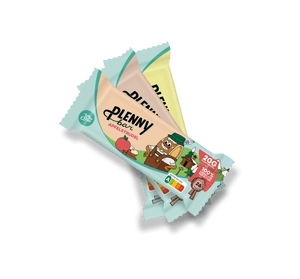
Meet Plenny Bar v4.0 – your all-in-one meal bar for when you want complete, plant-powered nutrition without any fuss. Each bar is packed with plant protein, high in fibre, low in sugar (except for the caramel sea salt flavour), and perfectly balanced to keep your body fuelled and your brain switched on throughout the day.
With 25 grams of plant protein per bar, it's ideal for anyone looking to support their active lifestyle, whether you're into sports, busy at work, or simply want to eat smarter. Bring on those gains!
Every bar contains all the macronutrients and micronutrients your body needs: proteins, carbs, fats, and all 26 essential vitamins and minerals. We've also added choline and probiotics to give each bar an extra functional edge.
Each portion is exactly 400 kcal. And the best part? It comes in six delicious flavours:
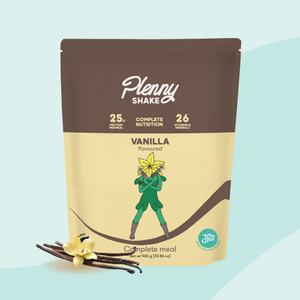
- Vanilla
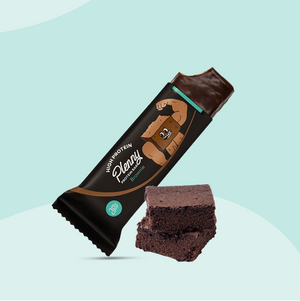
- Chocolate
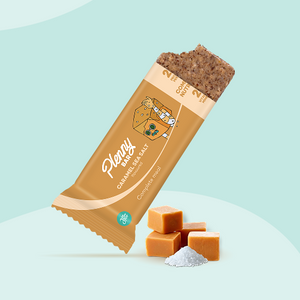
- Caramel Sea Salt
- Cherry
- Lemon Pie
- Choco & Coco
Compared to the previous version, Plenny Bar v4.0 takes a significant step forward. We've boosted the protein content from 20g to 25g per bar — now hitting 50% of your daily reference intake in a single serving. We've also increased the omega-3 content to 2,100 mg per bar, well above the previous 1,480 mg, and diversified our protein sources by including hydrolysed pea protein alongside the trusted oat and soy base. The result is a bar that's more nutritionally complete than ever before.
Nutritional breakdown
|
Vanilla |
Chocolate |
Caramel Sea Salt |
||||
|
Nutrition |
Value |
%RI |
Value |
%RI |
Value |
%RI |
|
Energy |
400 kcal |
20% |
400 kcal |
20% |
400 kcal |
20% |
|
Protein |
25 g |
50% |
25 g |
50% |
25 g |
50% |
|
Fat |
18 g |
26% |
18g |
26% |
18 g |
26% |
|
From which saturated fats |
1,4 g |
7% |
1,6 g |
8% |
1,4 g |
7% |
|
Carbohydrates |
33 g |
13% |
32 g |
12% |
33 g |
13% |
|
From which sugar |
4,2 g |
5% |
3,9 g |
4% |
5,3 g |
6% |
|
of which polyols |
7,2 g |
7,2 g |
7,2 g |
|||
|
Fibres |
8,0 g |
8,6 g |
7,9 g |
|||
|
Salt |
0,94 g |
16% |
0,91 g |
15% |
1,4 g |
23% |
|
Lemon Pie |
Choco & Coco |
Cherry |
|||||
|
Nutrition |
Value |
%RI |
Value |
%RI |
Value |
%RI |
|
|
Energy |
400 kcal |
20% |
400 kcal |
20% |
400 kcal |
20% |
|
|
Protein |
25 g |
50% |
25 g |
50% |
25 g |
50% |
|
|
Fat |
18 g |
26% |
18 g |
26% |
18 g |
26% |
|
|
From which saturated fats |
1,4 g |
7% |
1,7 g |
9% |
1,4 g |
7% |
|
|
Carbohydrates |
33 g |
13% |
32 g |
12% |
33 g |
13% |
|
|
From which sugar |
4,2 g |
5% |
4,0 g |
4% |
4,7 g |
5% |
|
|
of which polyols |
7,2 g |
|
7,2 g |
|
7,0 g |
|
|
|
Fibres |
7,9 g |
8,5 g |
8,0 g |
||||
|
Salt |
0,93 g |
16% |
0,91 g |
15% |
0,94 g |
16% |
|
Values in brackets show % of Reference Intake (RI) for an average adult (8400 kJ / 2000 kcal). All flavours: 400 kcal per 100 g serving.
Ingredients
All Plenny Bar v4.0 flavours share the following base ingredients:
- Oats
- Rapeseed oil
- Soy protein crisp
- Rice extract
- Soy protein isolate
- Flaxseed
- Humectant: glycerine
- Chicory fibre
- Hydrolysed pea protein
- Custom blend of 26 vitamins and minerals
- Rice syrup
- Probiotic: Heyndrickxia coagulans (MTCC 5856)
- Sweetener: sucralose
Depending on the flavour, the following additional ingredients are used: flavouring, cocoa powder, sea salt, fruit powder, coconut cream, sour cherries and malic acid.
Macronutrients
The protein powerhouse
Protein is the building block your body relies on for muscle repair, immune function, and countless other processes. To make sure you get enough, the European Food Safety Authority (EFSA) recommends at least 0.83 g of protein per kg of body weight per day. [1]
Plenny Bar v4.0 delivers 25 g of plant-based protein per bar — a 25% increase over the previous version — covering 50% of your daily reference intake in a single meal. The protein comes from a combination of soy protein crisp (made with soy protein isolate), soy protein isolate, hydrolysed pea protein, and oats.
Soy protein isolate is considered the gold standard of plant proteins thanks to its high digestibility and absorption rate. Crucially, it contains all nine essential amino acids — those your body cannot produce on its own. [2,3] The addition of hydrolysed pea protein in v4.0 is a meaningful upgrade: pea protein is rich in branched-chain amino acids (BCAAs), particularly leucine, which plays a central role in stimulating muscle protein synthesis. [4] Together, the combination of protein sources ensures a complete amino acid profile that meets and exceeds the World Health Organisation's daily recommendations for an average adult. [5,6]
Per portion (100g)
|
Amino Acid |
Mg per portion* |
% from the WHO daily recommended intakes** |
|
Alanine |
1190 |
- |
|
Arginine |
2000 |
- |
|
Aspartic Acid |
2830 |
- |
|
Glutamic Acid |
360 |
- |
|
Glycine |
4960 |
- |
|
Hystidine |
1140 |
99% |
|
Isoleucine |
690 |
84% |
|
Leucine |
1180 |
74% |
|
Lysine |
2010 |
78% |
|
Methionine + Cysteine |
860 |
48% |
|
Phenylalanine + Tyrosine |
2220 |
75% |
|
Proline |
1300 |
- |
|
Serine |
1300 |
- |
|
Threonine |
950 |
90% |
|
Tryptophan |
200 |
71% |
|
Valine |
1290 |
49% |
*latest laboratory results
**based on an average adult (70kg). The requirements are determined by the person’s weight.
The good fats
Fat plays essential roles in brain function, hormone balance, and cellular health. [7] Plenny Bar v4.0 contains 18 g of fat per serving, primarily from rapeseed oil and milled brown flaxseed, with additional contributions from oats and soy.
Rapeseed oil is a standout choice here. Compared to sunflower oil, it is higher in monounsaturated fats (omega-9) and lower in omega-6, while also providing omega-3 fatty acids in the form of alpha-linolenic acid (ALA). [8]
Combined with flaxseed, which is one of the richest plant sources of ALA, every Plenny Bar v4.0 delivers 2,100 mg of omega-3 per serving — a significant increase from the 1,480 mg in v3.0.
This qualifies all Plenny Bar v4.0 flavours for the official 'Source of Omega-3 Fatty Acids' nutritional claim. [9]
|
Fatty Acid |
mg per portion * |
mg - EFSA’s daily intake recommendation ** |
|
Omega 3 (ALA) |
2700 |
1100 |
|
Omega 6 |
3670 |
9000 |
|
Omega 9 |
9500 |
- |
*latest laboratory results
**based on a 2000kcal diet. The recommendation will vary depending on the person’s daily intake. These values are the minimum to maintain health.
Carbs done right
Carbohydrates provide your body with glucose — its primary energy source. A daily intake of around 130 g is generally recommended. [10] Each Plenny Bar v4.0 contains 32–33 g of carbohydrates, sitting comfortably within that range.
The main carbohydrate source is oats, chosen not just for their taste but for their nutritional properties. Oats have a low glycaemic index (GI) — the Plenny Bar retains its low GI of 33.8 — meaning energy is released slowly and steadily into the bloodstream. No peaks, no crashes. [11] Oats are also rich in beta-glucan, a soluble fibre that slows digestion and supports healthy blood glucose levels. [12]
What about sugar? Plenny Bar v4.0 is mostly low in sugar (<5g/100g) except for the Caramel Sea Salt (5.3g/100g) ; however, all well below the recommended upper limit of 10% of total energy intake from sugar. [13]
Fibre: the unsung hero
We're big fans of fibre here. It keeps things moving! With 7.9–8.6 g of fibre per bar, all Plenny Bar v4.0 flavours qualify as 'High in Fibre' — an official EU nutritional claim. [9]
The fibre comes from four sources: oats, flaxseed, chicory fibre (inulin), and the soy protein crisps. Together, they support gut health, help maintain healthy blood pressure, and feed the beneficial bacteria in your gut. Inulin, a prebiotic extracted from chicory root, acts as food for gut bacteria — including the probiotics found in the bar — creating a symbiotic effect that amplifies both their benefits. [14,15]
Micronutrients
The vitamin and mineral mix that we add to the meals provides all the essential 26 micronutrients.[9] We use the most bioavailable and stable forms to make sure your body actually absorbs them.
For instance, vitamin D comes in its vegan D3 form (cholecalciferol), and vitamin K as K2 (menaquinone-7), which is better utilised by the body. From A to zinc, each nutrient is carefully dosed to hit daily reference intakes. You can read more about our micronutrient mix here!
Per portion (100g)
|
Vitamins-Minerals |
Per portion |
RI* (%) |
|
|
Vitamin A |
160 |
μg |
20%* |
|
Vitamin D |
5,0 |
μg |
100%* |
|
Vitamin E |
4,0 |
mg |
33%* |
|
Vitamin K |
16 |
μg |
21%* |
|
Vitamin C |
40 |
mg |
50%* |
|
Thiamin |
0,40 |
mg |
36%* |
|
Riboflavin |
0,32 |
mg |
23%* |
|
Niacin |
3,6 |
mg |
23%* |
|
Vitamin B6 |
0,40 |
mg |
29%* |
|
Folic Acid |
60 |
μg |
30%* |
|
Vitamin B12 |
3,2 |
μg |
128%* |
|
Biotin |
10 |
μg |
20%* |
|
Pantothenic acid |
1,2 |
mg |
20%* |
|
Potassium |
400 |
mg |
20%* |
|
Chloride |
279 |
mg |
35%* |
|
Calcium |
185 |
mg |
23%* |
|
Phosphorus |
140 |
mg |
20%* |
|
Magnesium |
75 |
mg |
20%* |
|
Iron |
3,2 |
mg |
23%* |
|
Zinc |
2,0 |
mg |
20%* |
|
Copper |
0,40 |
mg |
40%* |
|
Manganese |
1,0 |
mg |
50%* |
|
Selenium |
18 |
μg |
33%* |
|
Chromium |
8,0 |
μg |
20%* |
|
Molybdenum |
13 |
μg |
26%* |
|
Iodine |
30 |
μg |
20%* |
*% of the daily reference intake for vitamins and minerals
Choline and probiotics: the bonus brains
We didn't stop at the basics. Every Plenny Bar v4.0 also contains choline and probiotics — two ingredients that go above and beyond the usual nutritional checklist.
Choline is an essential nutrient your body uses for brain function, metabolism, and cellular health. More specifically, it carries methyl groups — critical building blocks for processes in the brain and throughout the body. [16] Each bar provides 110 mg of choline.
Then there's Heyndrickxia coagulans (previously known as Bacillus coagulans MTCC 5856) — our probiotic of choice. This spore-forming, heat-stable probiotic supports gut microbiota health and works hand in hand with the fibre in the bar. Together, they form a symbiotic pair: fibre feeds the probiotics; probiotics strengthen the gut microbiome. Everyone wins — especially your digestion. [17]
Wrapping it up
Plenny Bar v4.0 isn't just a meal bar. It's a complete, science-backed on-the-go meal built for people who want to eat well without slowing down. With more protein, more omega-3, and the same commitment to plant-based, complete nutrition, it's the most capable Plenny Bar we've ever made.
Your body gets what it needs. Your muscles get more of what they want. And you can skip the cooking — so you can focus on what matters most.
Can't wait to benefit from the tasty and nutritional advantages of Plenny Bar v4.0? Try today!
Sources
- European Food Safety Authority (EFSA) Panel on Dietetic Products, Nutrition and Allergies. Scientific Opinion on Dietary Reference Values for protein. EFSA J. 2012;10(2):2557. Available from: https://doi.org/10.2903/j.efsa.2012.2557
- Zare R, Devrim-Lanpir A, Guazzotti S, Ali Redha A, Prokopidis K, Spadaccini D, et al. Effect of soy protein supplementation on muscle adaptations, metabolic and antioxidant status, hormonal response, and exercise performance of active individuals and athletes: A systematic review of randomised controlled trials. Sports Med. 2023;53(12):2417–46. Available from: https://doi.org/10.1007/s40279-023-01899-w
- Lee M-C, Hsu Y-J, Wu F-Y, Huang C-C, Li H-Y, Chen W-C. Isolated soy protein supplementation combined with resistance training improves muscle strength, mass, and physical performance of aging female mice. Front Physiol. 2022;13:893352. Available from: https://doi.org/10.3389/fphys.2022.893352
- Banaszek A, Townsend JR, Bender D, Vantrease WC, Marshall AC, Johnson KD. The effects of whey vs. pea protein on physical adaptations following 8-weeks of high-intensity functional training (HIFT): A pilot study. Sports (Basel). 2019;7(1):12. Available from: https://doi.org/10.3390/sports7010012
- Lim MT, Pan BJ, Toh DWK, Sutanto CN, Kim JE. Animal protein versus plant protein in supporting lean mass and muscle strength: A systematic review and meta-analysis of randomised controlled trials. Nutrients. 2021;13(2):661. Available from: https://doi.org/10.3390/nu13020661
- Joint FAO/WHO/UNU Expert Consultation. Protein and amino acid requirements in human nutrition: report of a joint FAO/WHO/UNU expert consultation. WHO Technical Report Series, no. 935. Geneva: World Health Organisation; 2007. Available from: https://iris.who.int/handle/10665/43411
- Neufingerl N, Eilander A. Nutrient intake and status in adults consuming plant-based diets compared to meat-eaters: A systematic review. Nutrients. 2021 Dec 23;14(1):29. Available from: https://doi.org/10.3390/nu14010029
- Lin L, Allemekinders H, Dansby A, Campbell L, Durance-Tod S, Berger A, et al. Evidence of health benefits of canola oil. Nutr Rev. 2013;71(6):370–85. Available from: https://doi.org/10.1111/nure.12033
- Regulation (EC) No 1924/2006 of the European Parliament and of the Council on nutrition and health claims made on foods. Off J Eur Union. 2006. Available from: https://eur-lex.europa.eu/legal-content/EN/TXT/?uri=CELEX:32006R1924
- EFSA Panel on Dietetic Products, Nutrition and Allergies. Scientific Opinion on Dietary Reference Values for carbohydrates and dietary fibre. EFSA J. 2010;8(3):1462. Available from: https://doi.org/10.2903/j.efsa.2010.1462
- Atkinson FS, Brand-Miller JC, Foster-Powell K, Buyken AE, Goletzke J. International tables of glycemic index and glycemic load values 2021: a systematic review. Am J Clin Nutr. 2021;114(5):1625–32. Available from: https://doi.org/10.1093/ajcn/nqab233
- Zurbau A, Noronha JC, Khan TA, Sievenpiper JL, Wolever TMS. The effect of oat β-glucan on postprandial blood glucose and insulin responses: a systematic review and meta-analysis. Eur J Clin Nutr. 2021;75(11):1540–54. https://doi.org/10.1038/s41430-021-00875-9
- World Health Organization. Guideline: Sugars intake for adults and children. Geneva: WHO; 2015. Available from: https://www.who.int/publications/i/item/9789241549028
- Roberfroid M, Gibson GR, Hoyles L, McCartney AL, Rastall R, Rowland I, et al. Prebiotic effects: metabolic and health benefits. Br J Nutr. 2010;104(Suppl 2):S1–63. Available from: https://pubmed.ncbi.nlm.nih.gov/20920376/
- Aldubayan MA, Mao X, Laursen MF, Pigsborg K, Christensen LH, Roager HM, et al. Supplementation with inulin-type fructans affects gut microbiota and attenuates some of the cardiometabolic benefits of a plant-based diet in individuals with overweight or obesity. Front Nutr. 2023;10:1108088. Available from: https://pubmed.ncbi.nlm.nih.gov/37181156/
- Kenny TC, Scharenberg S, Abu-Remaileh M, Birsoy K. Cellular and organismal function of choline metabolism. Nat Metab. 2025;7(1):35–52. Available from: https://doi.org/10.1038/s42255-024-01203-8
- Majeed M, Nagabhushanam K, Natarajan S, Sivakumar A, Ali F, Pande A, et al. Bacillus coagulans MTCC 5856 supplementation in the management of diarrhea predominant irritable bowel syndrome: a double blind randomised placebo controlled pilot clinical study. Nutr J. 2016;15:21. Available from: https://doi.org/10.1186/s12937-016-0140-6




 Product added to cart